Fire extinguisher rental and sales
| Extinguisher | Wood, paper, textiles and other carbonaceous material | Flammable liquids, petrol and spirits | Flammable gases. E.g. propane and butane | Electrical fires caused by equipment where an electric current may be present | Cooking oils and fats. E.g. olive oil, maize oil, lard and butter |
|---|---|---|---|---|---|
![]() |
|||||
![]() |
ABF Foam only | ||||
![]() |
* | ||||
![]() |
|||||
![]() |
* A Powder Extinguisher will leave a residue that can damage sensitive electrical equipment. If possible, use a CO2 Extinguisher.
Class A – Solids such as paper, wood, plastic
Class B – Flammable liquids such as petrol, paraffin
Class C – Flammable gases such as propane, methane, butane
Class D – Metals such as aluminium, titanium, magnesium
Class E – Fire involving electrical apparatus
Class F – Cooking oils and fat
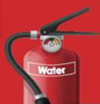
Water – Red
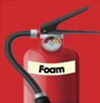
Foam – Cream
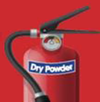
Dry Powder – Blue
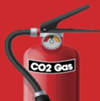
CO2 – Black
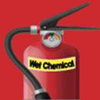
Wet Chemical – Yellow
Water – used for Class A fires. Not suitable for liquid fires (Class B) or where electricity is involved.
Foam – used for Class A & B fires. Not recommended for fires involving electricity, but is safer than water if accidentally, inadvertently sprayed onto live electrical apparatus.
Dry powder – called the “multi-purpose” extinguisher, it can be used on Class A, B and C fires. Best for running liquid fires and effective on Class C gas fires, but be aware to isolate the gas supply first.
CO2 – is ideal for Class E fires involving electrical apparatus. it can also extinguish Class B fires but they could re-ignite.
Wet chemical – specialist extinguisher for Class F fires.

Fire extinguisher sales | Fire extinguisher rentals | Fire extinguisher servicing
Copyright © C2 Business Solutions Ltd. All Rights Reserved.
No reproduction, in whole or in part, without written permission.
Designated trademarks, brands, and content are the property of their respective owners.
Privacy Policy | Website Terms